Spark Gaming Center PlayStation Management
Complete management system for PlayStation gaming center — device monitoring, session tracking, time billing, customer management, and integrated accounting.
Screenshots from the System
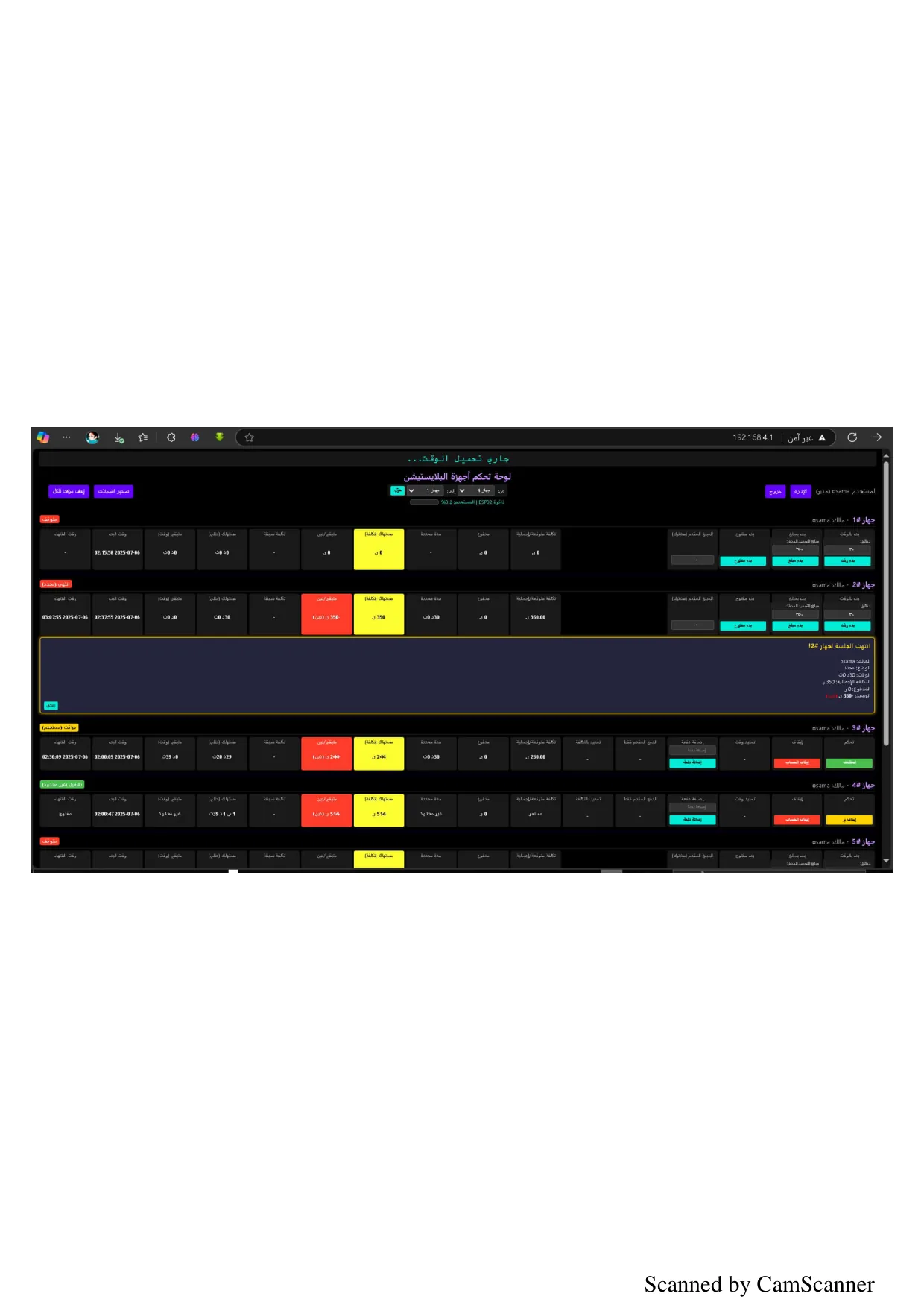
Device Dashboard — All Connected Devices Overview
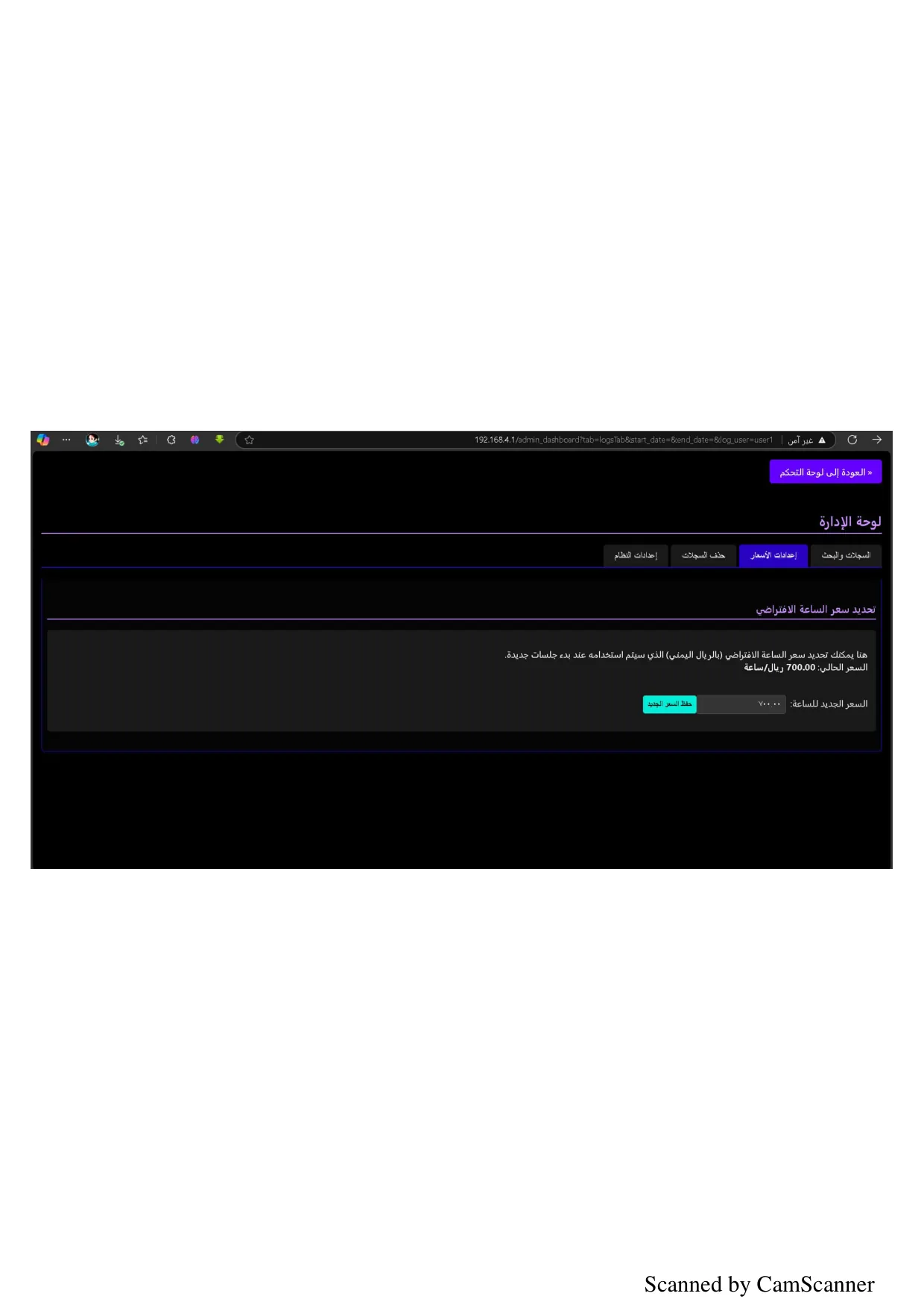
Individual Device Panel — Timer and Pricing Controls
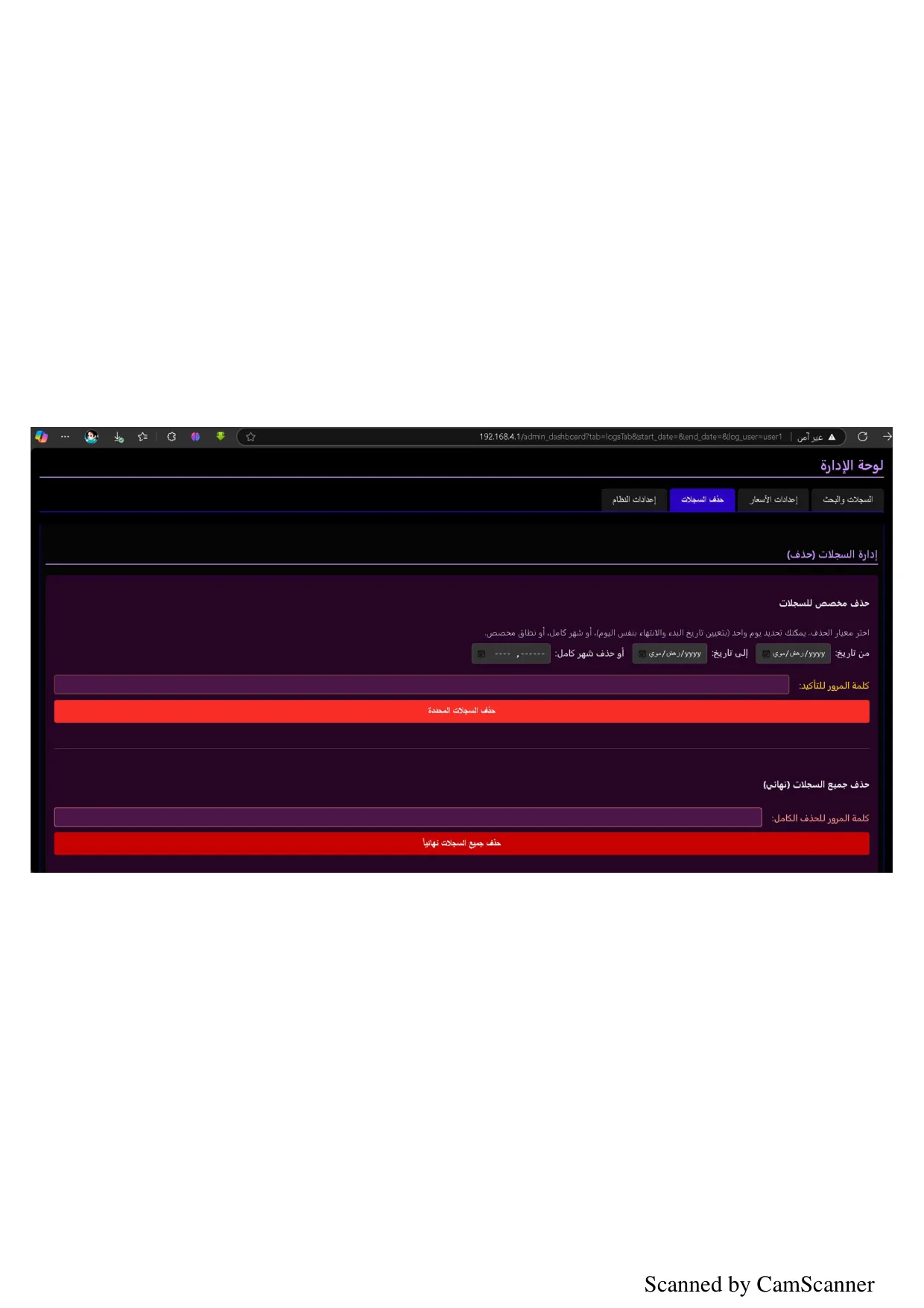
Settings — Device Configuration and Connectivity
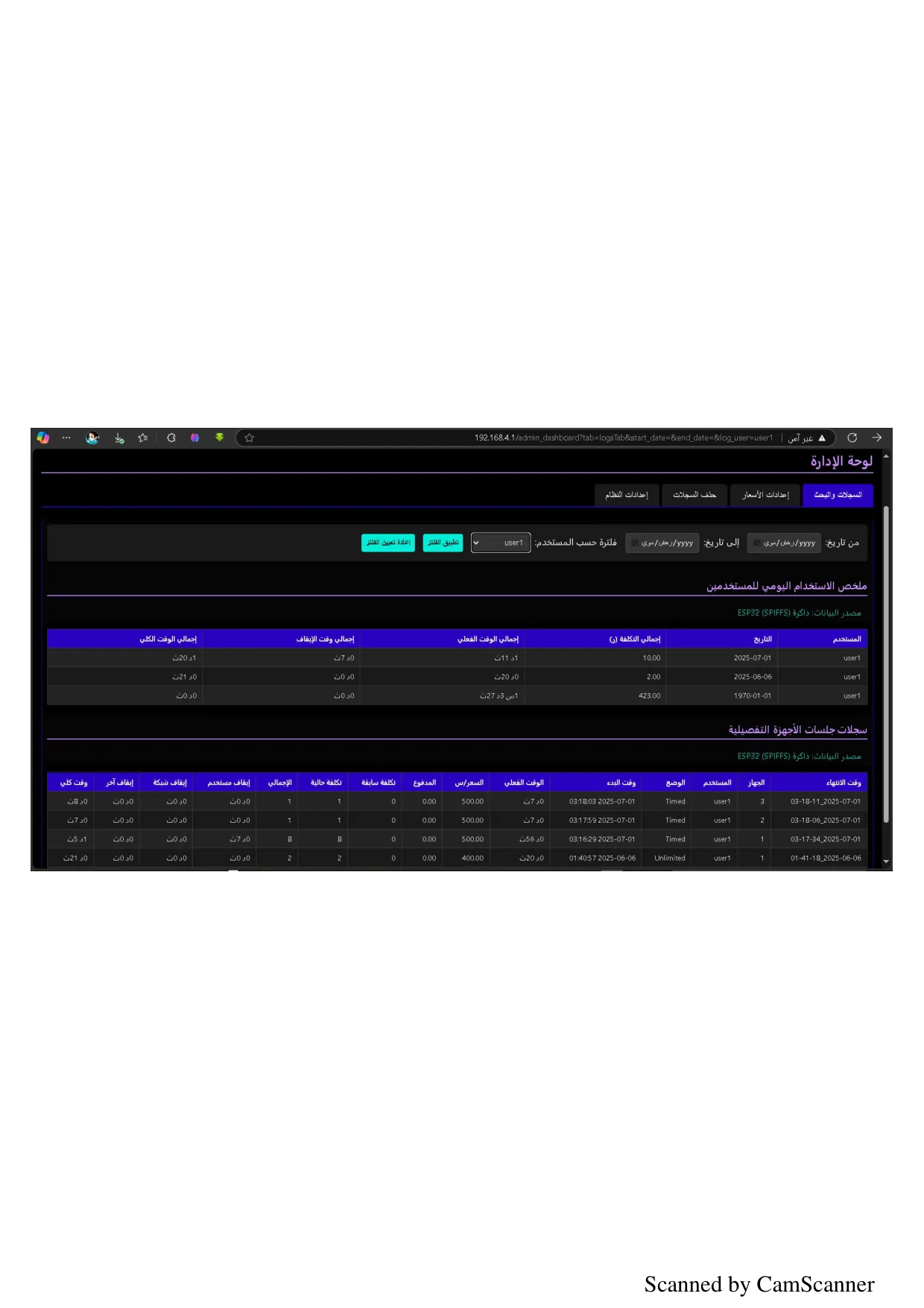
Billing System — Revenue and Sales Management
Client Background
Spark Gaming Center — the first and largest PlayStation gaming center in Yemen. Operates 7 modern gaming devices with plans to expand to 15+. Staff of 3 serving 50+ customers daily. Struggled with manual device time management, billing, and revenue tracking.
Problem & Context
Spark Gaming Center managed its equipment entirely manually, causing: (1) difficulty monitoring 7 device states in real time — knowing which were occupied or available, (2) no time-slot booking system — relying solely on walk-ins, (3) frequent disputes with customers over manually calculated session costs, (4) complete reliance on paper timesheets for billing and daily revenue, (5) inability to track per-device profitability or analyze peak hours, (6) no customer check-in or access control system.
Our Solution
We built an integrated ESP32-based system with: (1) ESP32 controller with WiFi, Ethernet, 7 Relay outputs (one per device), and 4G backup, (2) full Arabic web dashboard showing all connected devices with status (running/paused/stopped), remaining time, and cumulative revenue with dark theme, (3) individual device control panel with accurate timer, flexible pricing, start/stop/pause controls, (4) accurate accounting system for invoices and daily sales with reports, (5) session transfer between devices with precise cost calculation, (6) multi-level permissions (user, supervisor, admin).
Key Features
ESP32 + 7 Relays (3865+ lines C++)
ESP32 main controller with 7 Relay outputs (one per device), 80+ field SD card logging, Preferences memory for power failure recovery, and 4G backup connectivity.
Precision Session Timer (ms)
Millisecond-precision timer with 3 modes (Run, Pause, Stop), accurate cost calculation (consumed time × hourly rate), and session transfer between devices preserving remaining time and cost.
Billing & 15+ Audit Events
Daily invoices, revenue reports per device/user/day. Every operation logged: start, stop, pause, price change, device transfer — 15+ event types in detailed audit trail.
Offline-First Resilience
Full power failure recovery via ESP32 Preferences memory, SD card failover with 95% capacity alert, and complete state restoration when power returns.
Architecture
ESP32-based controller with WiFi, Ethernet, 7 Relay outputs (for electrical on/off control of each device), and 4G backup connectivity. Runs an internal WebServer hosting the control panel. Supports state persistence in Preferences for power failure recovery, detailed session logging to SD card or SPIFFS with 80+ fields (device, user, consumed time, cost, pause periods, wall-clock time). Web frontend using Next.js with Node.js and PostgreSQL for advanced data.
Security & Performance
Complete permission system (user, supervisor, admin) with password-protected sensitive operations (export, delete), session data encryption, secure API key storage, user login with every operation tracked (start, stop, pause, price change, device transfer) in a detailed audit log, and network isolation firewall.
Our Approach
We started with detailed analysis of gaming center operations: peak hours, competitor pricing, staff challenges. Built a prototype and field-tested it for 2 weeks with daily adjustments based on user feedback. After final prototype approval, we developed the complete ESP32 firmware (3865+ lines) and tested it with 7 real devices.
Project Timeline
Phase 1: Gaming Center Requirements Analysis
Phase 2: ESP32 Firmware Development (C++, 3865+ lines)
Phase 3: Web Dashboard Development
Phase 4: PCB Design & Assembly
Phase 5: Hardware Testing & Integration
Phase 6: Field Installation & Pilot
Phase 7: Training & Support
Tech Stack
Results Delivered
“ORTECH delivered solutions beyond our expectations. The system doesn't just manage devices — it gives us accurate reports on revenue, peak hours, and the most profitable devices. We recommend them to any gaming center.”
Spark Gaming Management
Owner
Why ORTECH SOLUTIONS?
Our team combines deep expertise in embedded systems (ESP32/C++) with modern web solutions (Next.js/Node.js) — exactly what control and monitoring projects need
We don't offer off-the-shelf solutions — this system was custom-built for the gaming center's needs with 3865+ lines of dedicated code
We provide continuous technical support and updates — the system evolved with the center's needs and we added new features based on their requests
Project FAQs
An ESP32 with 7 independent Relay outputs is used to remotely control the power on/off of each gaming device via the web dashboard.
Yes, the system supports gradual expansion — connect a new ESP32 controller and it will be automatically discovered.
All device states (remaining time, cost, user) are saved to Preferences memory and fully restored when power returns.
Each session records start time in milliseconds, calculates cost based on consumed time × hourly rate, accurately accounting for pause periods.
Yes, the system supports transferring remaining time and cost from any device to another, with the transfer logged in the audit trail.
Up to 5 users with different permission levels (cashier, supervisor, admin) with every operation logged and tracked.
Yes, the system generates daily and monthly reports for total revenue, per-device revenue, peak hours, and user performance.
Supports SD card for long-term storage and SPIFFS internal ESP32 memory with an alert at 95% capacity.
Understand the terms used in this project
Have a Similar Project?
We're here to help. Contact us for a free consultation