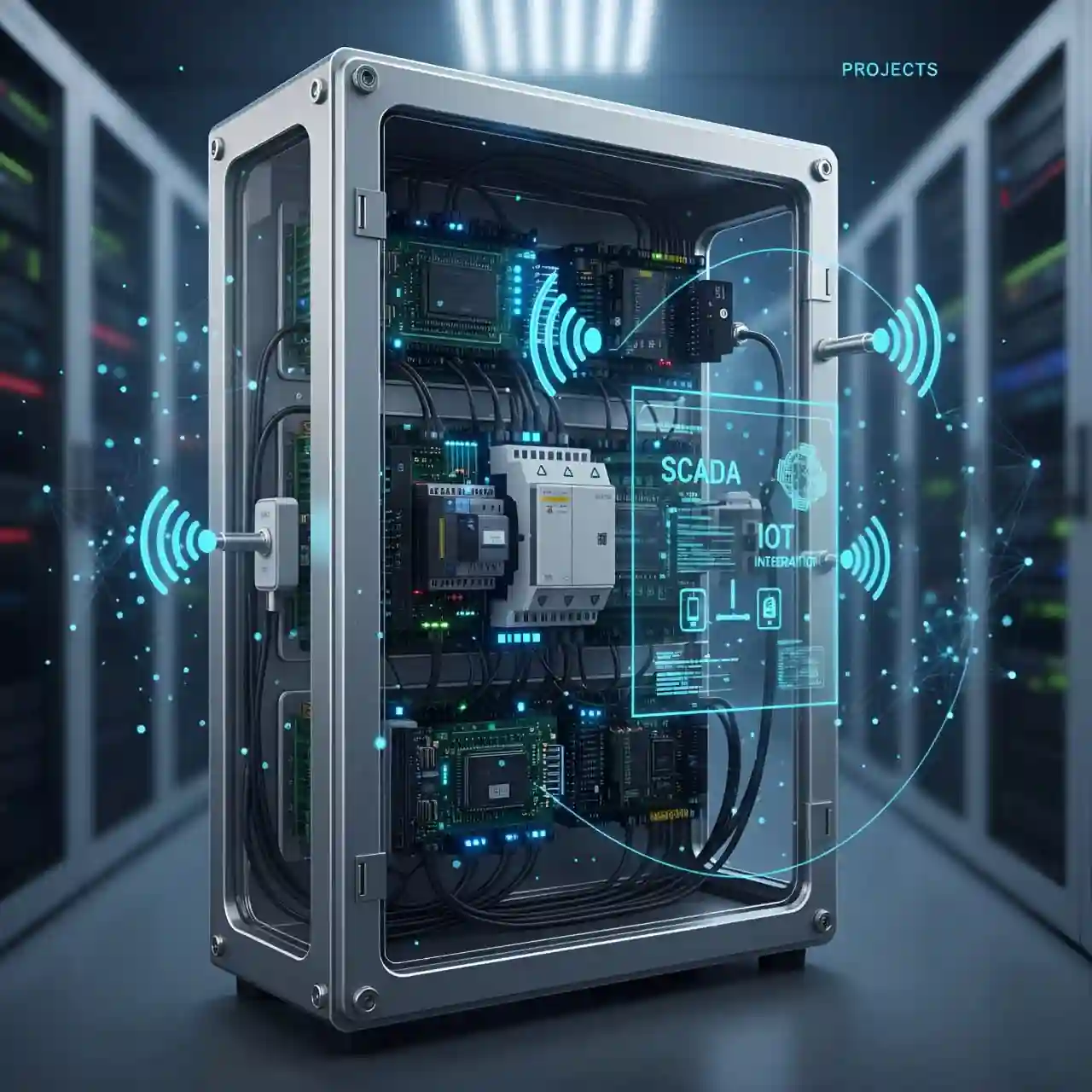
Gaming Lounge Management System
Complete management system for PlayStation gaming lounges and e-sports centers — real-time device monitoring, session management, automated billing, time tracking, customer management, and integrated accounting with financial reports.
Screenshots from the System
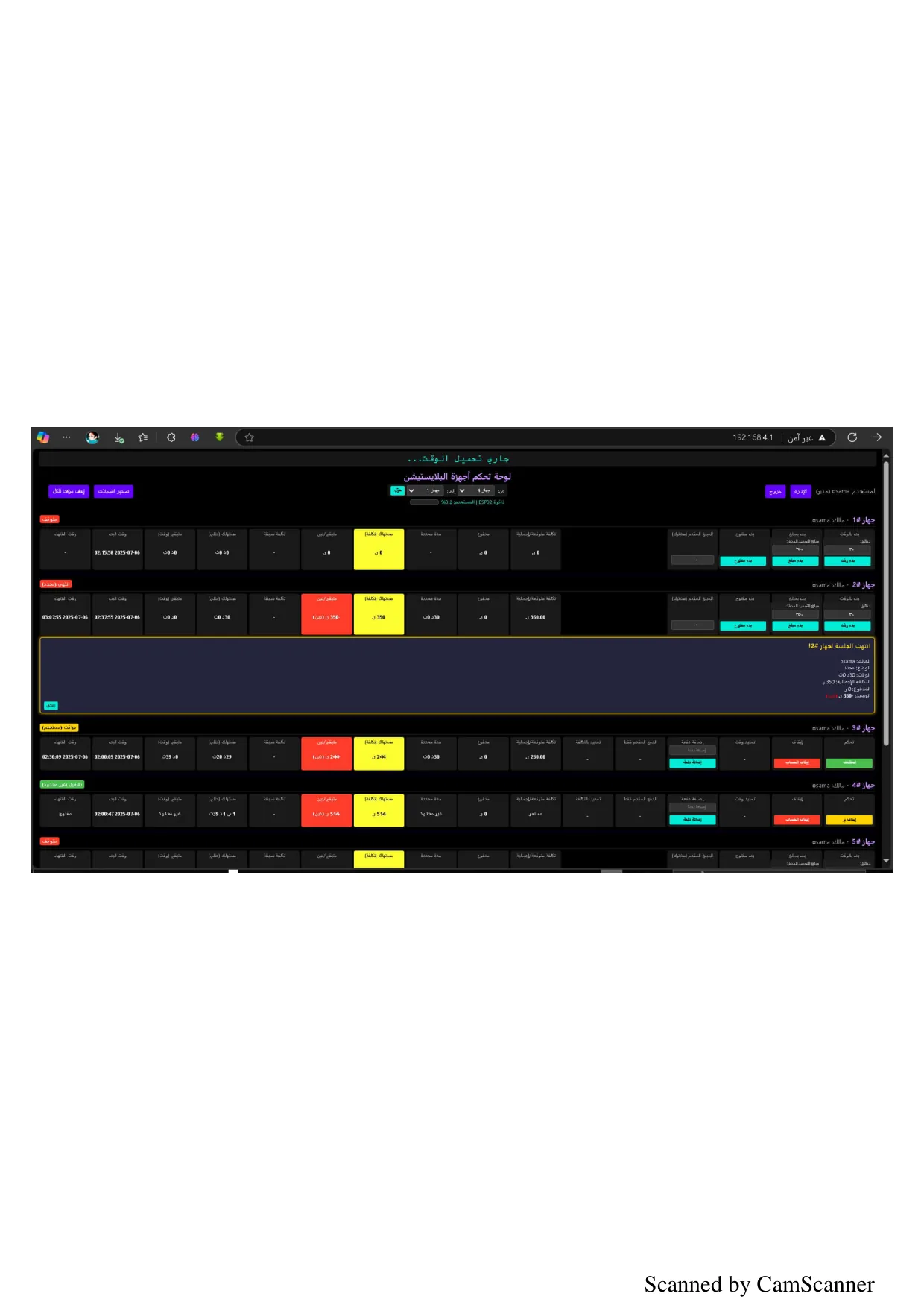
Device Dashboard — Real-time Overview of All Connected Devices
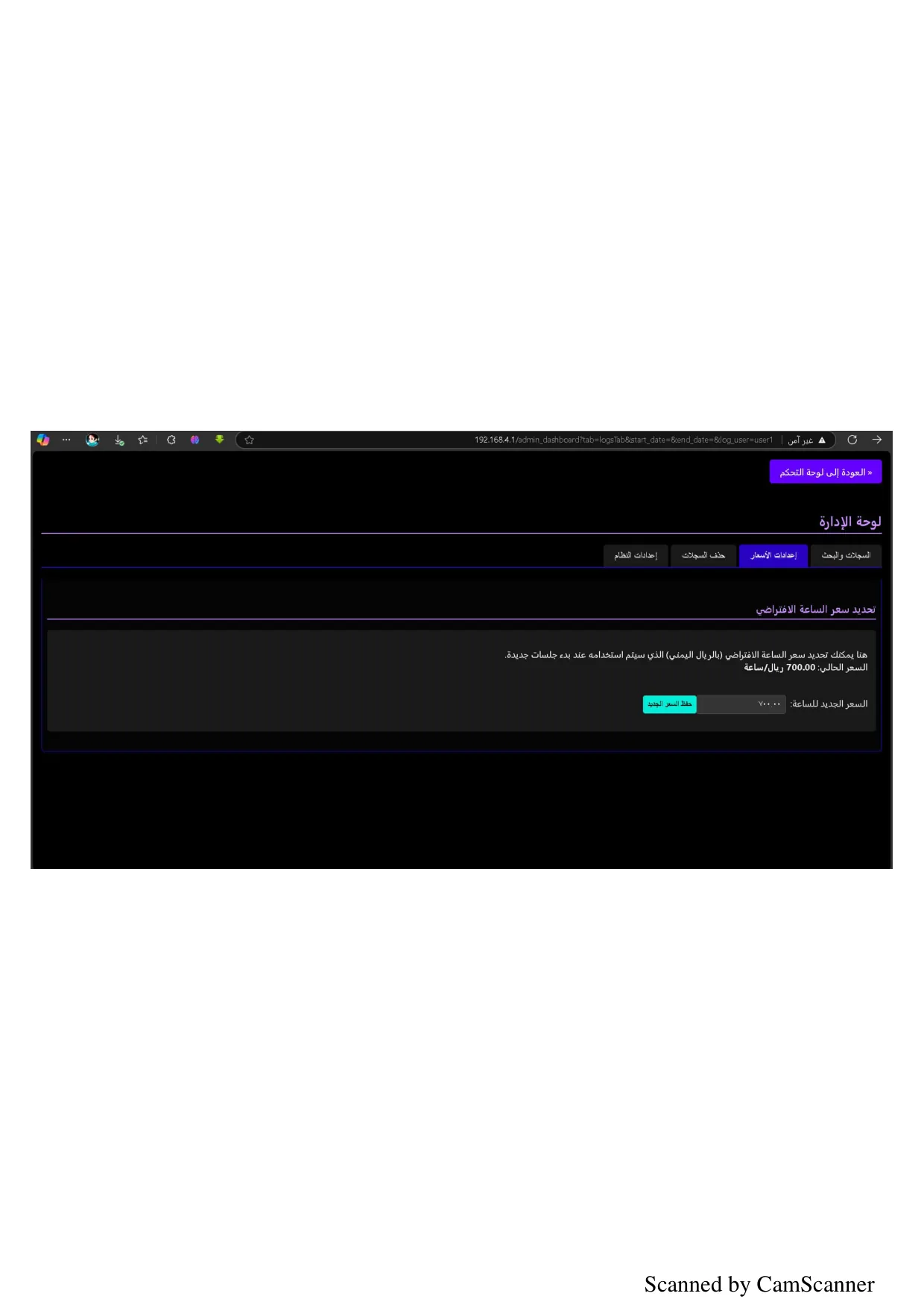
Individual Device Panel — Precision Timer and Pricing Controls
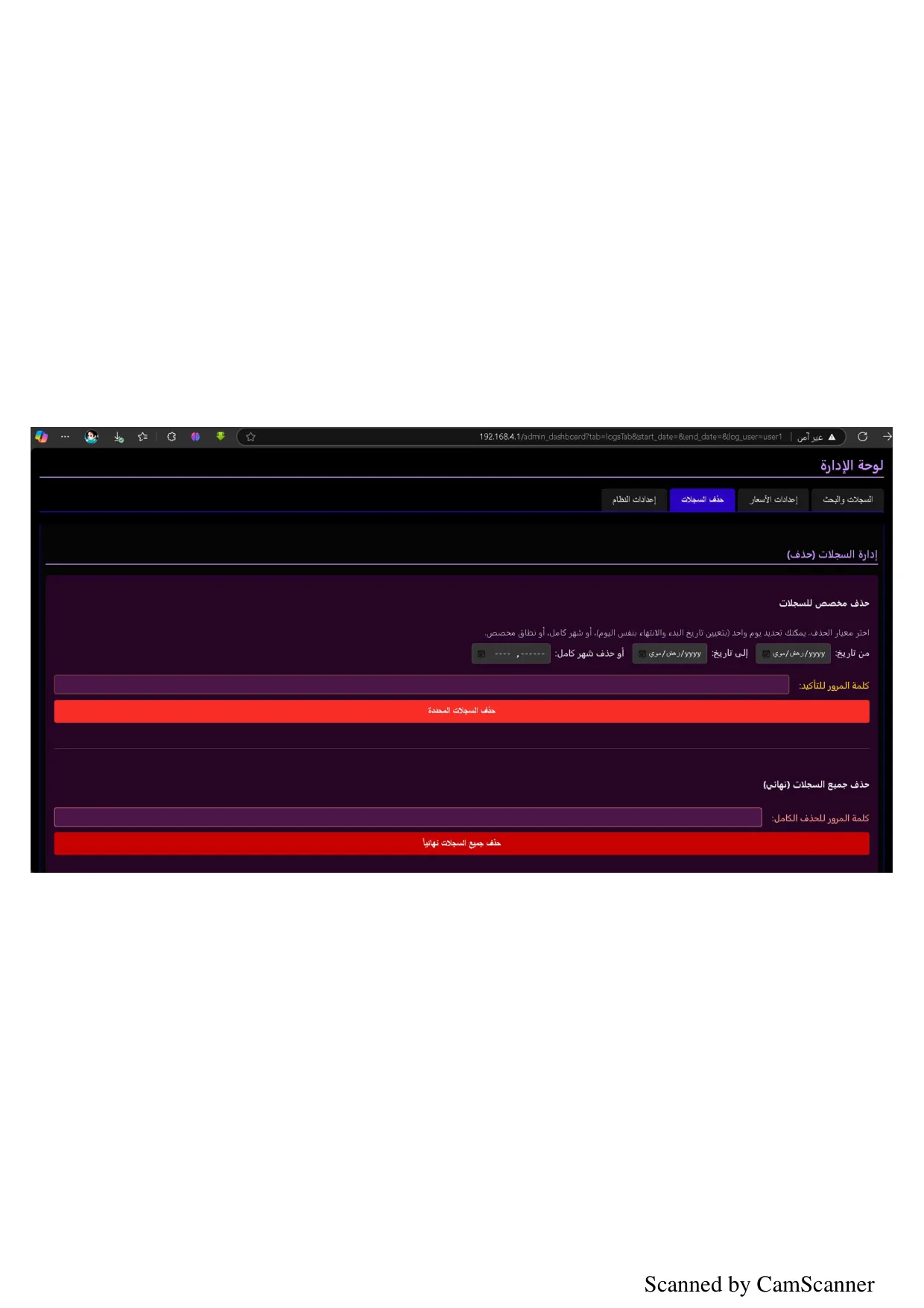
Settings — Device Configuration and Connectivity Options
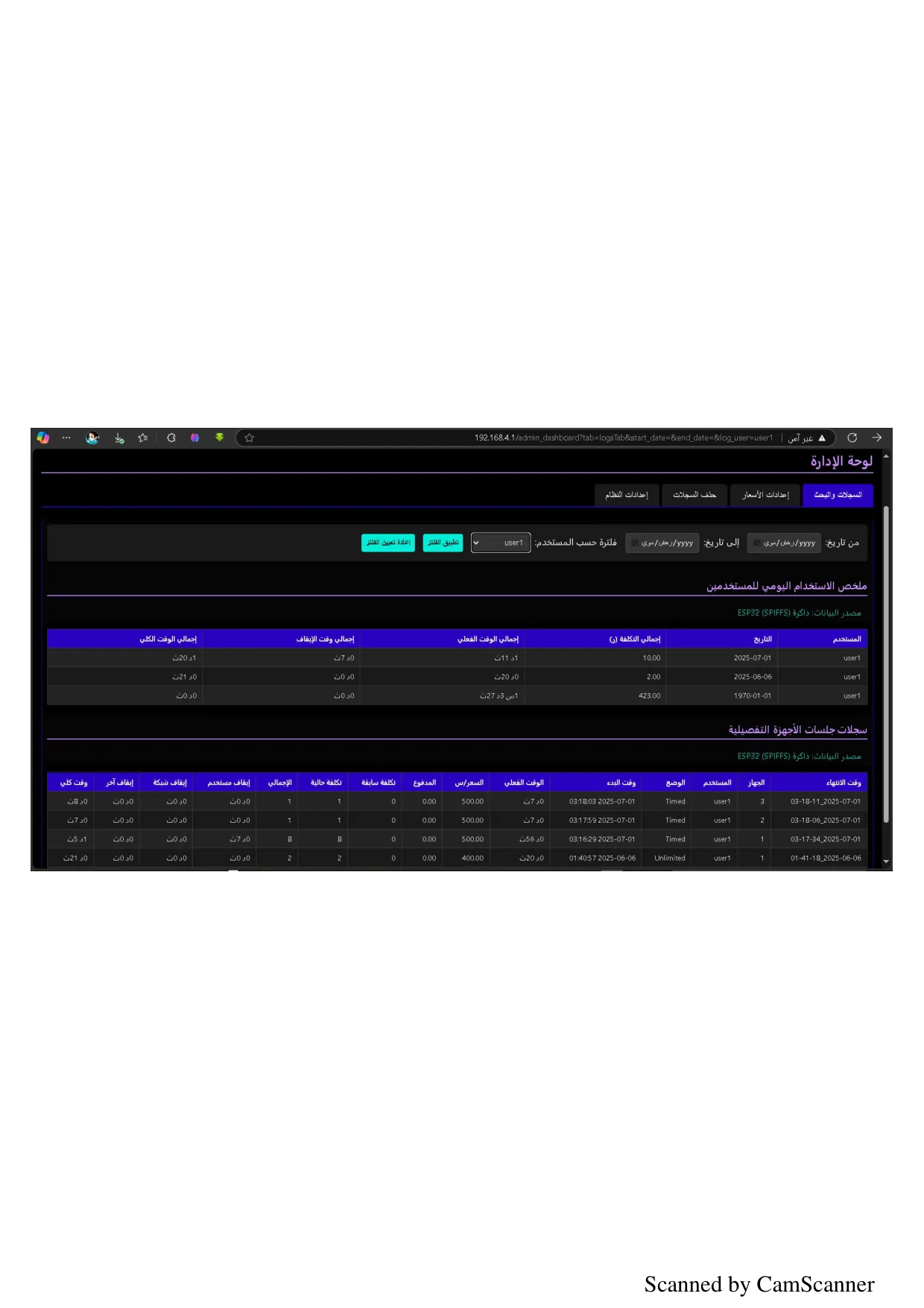
Billing System — Revenue Management and Financial Reports
Client Background
PlayStation gaming lounges and VR centers across Yemen and the Arab world need professional management systems to organize operations and maximize revenue. These lounges typically have 7-20 gaming devices with 2-5 staff members. Most manage operations manually or with basic Excel sheets, causing revenue leakage and customer disputes.
Problem & Context
Gaming lounge owners manage their equipment entirely manually, causing: (1) tremendous effort tracking session times across 7-20 devices running simultaneously, (2) frequent disputes with customers over time and cost due to lack of accurate timing, (3) revenue loss from unaccounted pause periods and dead time between sessions, (4) difficulty implementing flexible pricing varying by device, time slot, and weekday, (5) complete reliance on paper records or Excel for daily revenue calculation and profit analysis, (6) no analytics to identify peak hours, most profitable devices, and slow periods.
Our Solution
We built a comprehensive gaming lounge automation system: (1) ESP32 central controller with WiFi, Ethernet, 4G backup, and 7+ Relay outputs for electrical control of each device, (2) advanced web dashboard with dark theme showing all devices with status (running/available/paused), remaining time, and cumulative revenue, (3) millisecond-precision timer per session with pause support, (4) flexible pricing per device by peak/off-peak hours and weekdays/holidays, (5) accurate accounting with daily invoices and revenue reports per device, per user, per day with export, (6) multi-level permissions (cashier, supervisor, admin) with full audit trail.
Key Features
Remote Electrical Control
Control power on/off for each device via 7 Relay outputs with emergency and group shutdown capabilities.
Precision Multi-Mode Timer
Millisecond-precision timer with 3 modes: Run, Pause, and Stop. Supports paid and complimentary time tracking.
Smart Pricing Engine
Flexible per-device pricing by time slot (peak/off-peak), weekday/holiday, with instant adjustments from the dashboard.
Comprehensive Reporting
Daily/monthly revenue reports, peak hour analysis, most profitable devices, and cashier performance with export capabilities.
Architecture
ESP32-based central controller with WiFi, Ethernet, 7 Relay outputs, and 4G backup. Built-in WebServer for primary control panel with Preferences state storage for power failure recovery. Logs detailed session data to SD card or SPIFFS with 80+ fields (device, user, duration, cost, pause periods, wall-clock time). Integrates with Next.js on Node.js server with PostgreSQL for advanced data storage and reporting. Supports multiple ESP32 controllers for scaling to 50+ devices.
Security & Performance
(1) Complete permission system (user, supervisor, admin) with password-protected sensitive operations, (2) session and billing data encryption, (3) secure API key storage in ESP32 memory, (4) user login with every operation tracked in detailed audit log, (5) network isolation firewall separating control network from customer network, (6) full state recovery after power failure with accurate remaining time preservation.
Our Approach
We followed a rapid prototyping methodology in close collaboration with gaming lounge operators. We started with a minimum viable prototype on ESP32 controlling 3 devices, tested it in a real operational environment, collected user feedback, and iterated through 3 improvement cycles before reaching the final scalable product. Each cycle took 2 weeks of development and 1 week of field testing.
Project Timeline
Phase 1: Gaming Lounge Requirements Analysis
Phase 2: ESP32 Firmware Development
Phase 3: Dashboard & Reporting Development
Phase 4: PCB Design & Assembly
Phase 5: Hardware Testing & QA
Phase 6: Deployment & Training
Tech Stack
Results Delivered
“This system completely transformed how we manage our lounge. Before, we were losing significant revenue due to timing inaccuracies. Now everything is automated, precise, and our revenue increased by 25% without adding any devices.”
Gaming Lounge Owner
Previous Client
Why ORTECH SOLUTIONS?
Our expertise in integrating hardware with software makes us the best choice for IoT and control projects — we combine ESP32 programming in C++ with modern web interfaces in Next.js
Our practical approach: we don't just propose theoretical solutions — we implement, field-test in real environments, and improve based on actual user feedback
Our team has full-stack control system expertise — from PCB design to UI development to deployment and ongoing support
Project FAQs
This is the base product (Gaming Lounge Management System) while Spark Gaming is a client case study where this system was deployed. It can be customized for any gaming lounge.
Each ESP32 unit controls up to 8 devices. Multiple units can be linked to reach 50+ devices easily.
Yes, flexible pricing per device by time slot (peak/off-peak), day (holiday/weekday), and device type with instant adjustments.
All device states (remaining time, cost, user) are saved to Preferences memory and fully restored when power returns.
Yes, the system supports transferring remaining time and cost with transfer logging.
Three levels (cashier, supervisor, admin) with different permissions and full operation logging.
Yes, daily and monthly reports for total revenue, per-device revenue, peak hours, and user performance.
WiFi for indoor connection, Ethernet for stability, and 4G as backup when the primary network is down.
Have a Similar Project?
We're here to help. Contact us for a free consultation
Services used in this project
See this product in a real-world deployment:
View Case Study: Spark Gaming Center